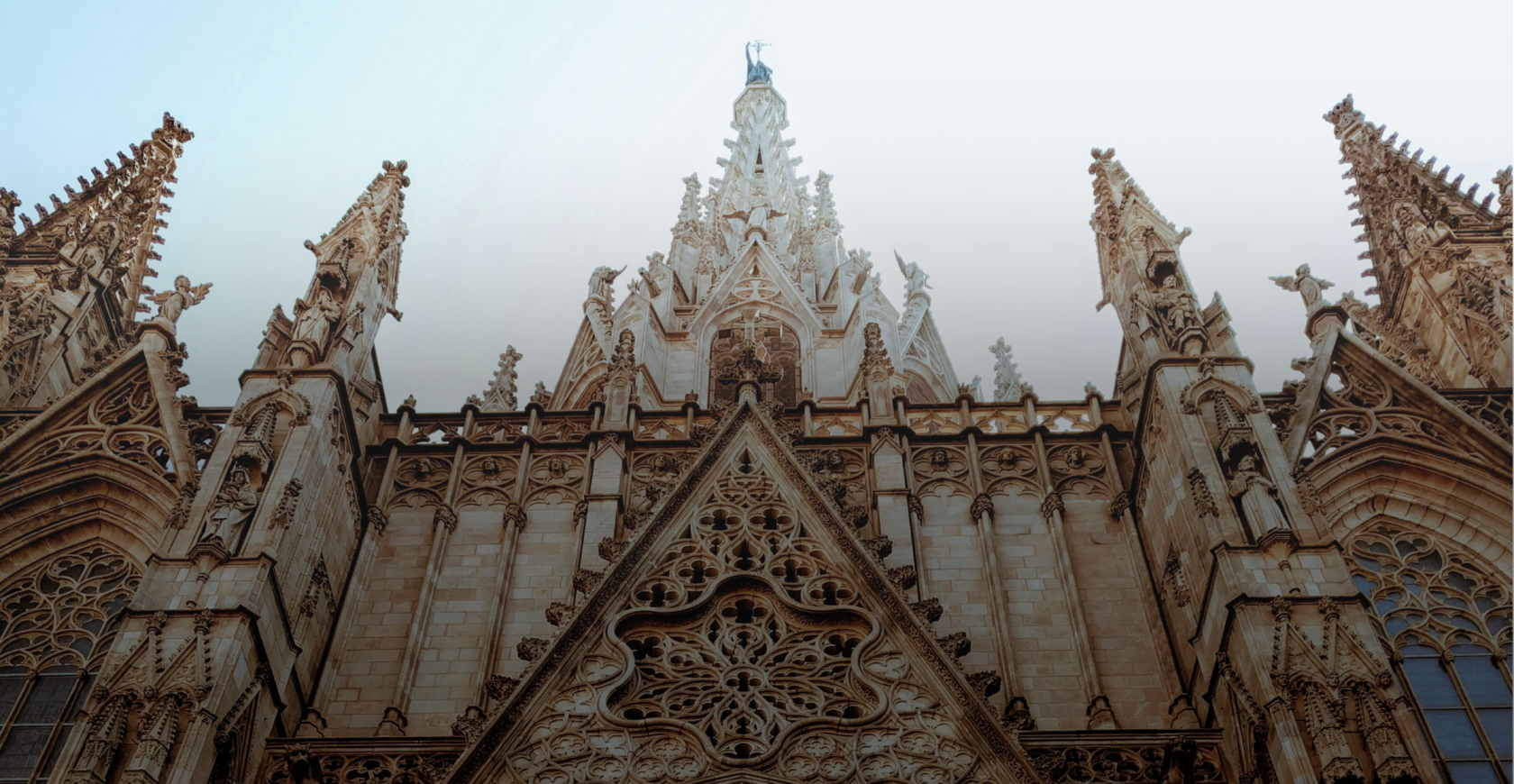
Eternity Encased in Bronze
Carlos Riera is a Spanish jewelry house whose design balances on the edge of tradition and avant-garde, combining Mediterranean aesthetics with philosophical concepts. The works combine several key aspects: traditional Spanish materials and techniques, form and symbolism, cultural context and emotional depth. Tradition and the pursuit of the pristine beauty of metal, wind and ocean. This is the moment of eternity, encased in bronze with blackened gold.

The Dialectic of Simplicity and Complexity
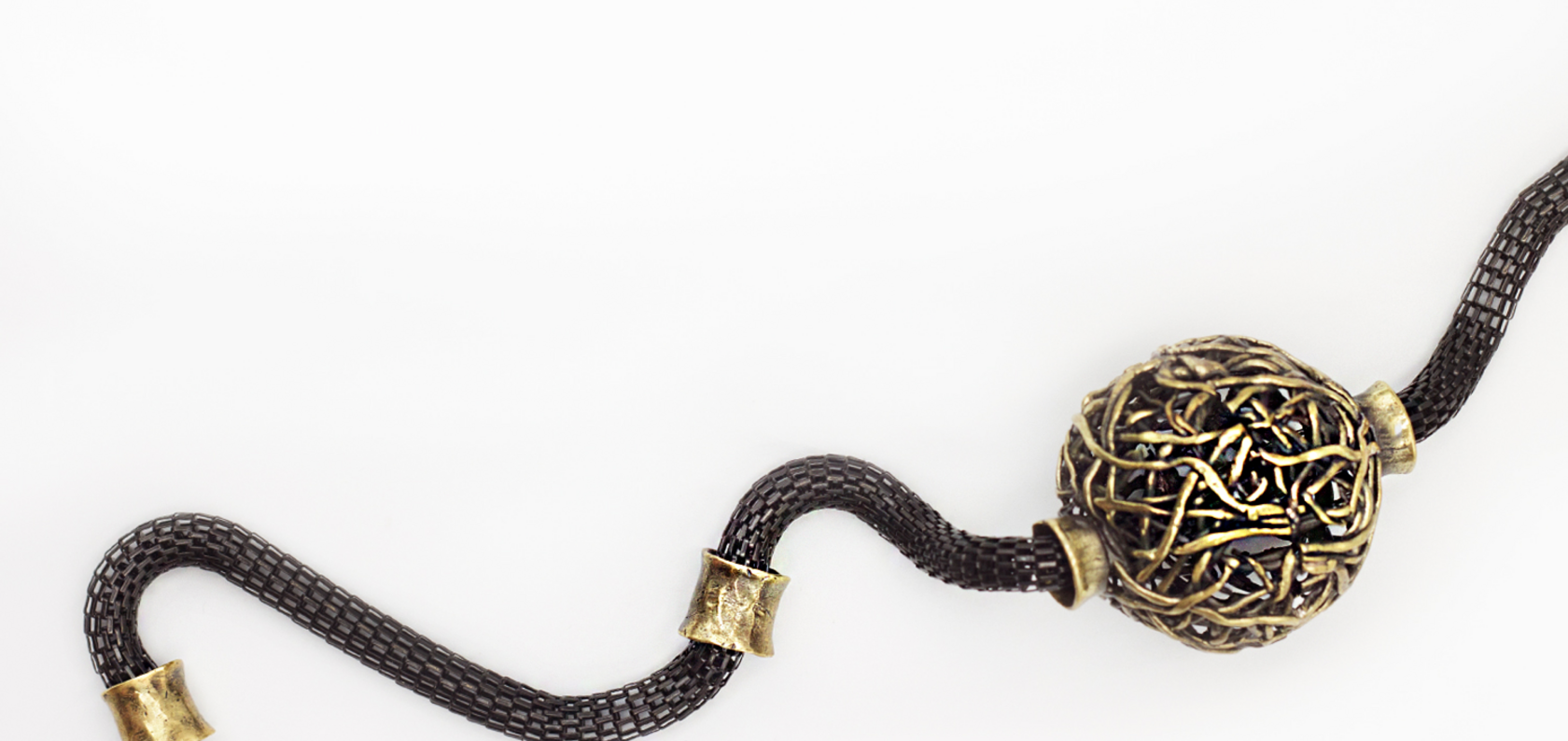
Carlos Riera jewelry is created exclusively by hand from jewelry bronze and brass coated with black gold. For the necklace, natural buffalo leather is used with a special finish.
Carlos Riera's jewelry actively uses bronze and brass, but not as secondary materials, but as the basis for artistic expression. This approach to metal is reminiscent of sculptural practices.
The works use bronze and brass alloys, the composition of which has been preserved since the Moorish period and the Renaissance.
In Spanish jewelry, bronze and brass alloys have beautiful and poetic names reflecting their properties, color and historical significance:
(Bronce Solar). An alloy with a high copper content, characterized by a warm, golden-red hue.
(Latón del Atardecer). An alloy with a reddish tinge, reminiscent of the colors of the sunset sky.
(Bronce de la Eternidad). Bronze with the addition of tin, symbolizing durability and strength.
(Latón de los Reyes). A high-quality alloy with the addition of silver, which gives a noble shine.
An alloy with the addition of silver or nickel, giving a cool, slightly silvery hue.
(Latón del Flamenco). An alloy with a warm, rich color, symbolizing passion and energy.
(Bronce de Castilla). A classic alloy symbolizing the power and traditions of the Castilian kingdom.
(Latón de Granada). An alloy with the addition of zinc and copper, characterized by a bright golden color.
The Energy of the Master
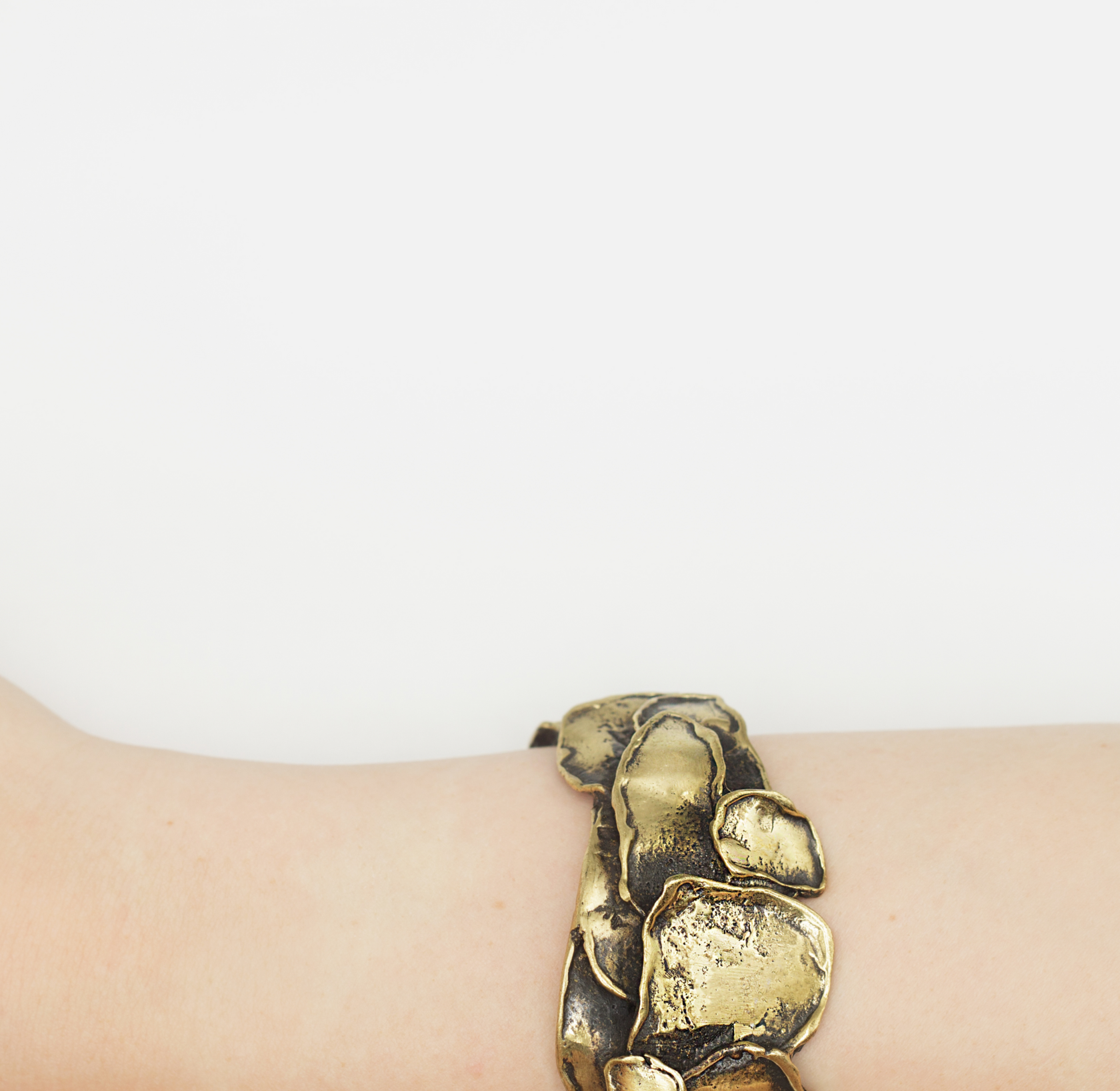
The products bear traces of manual processing — casting, forging, patination. This creates an effect of "imperfection", referring to the Mediterranean tradition, where man-made art and the pristine beauty of nature are appreciated.
The combination of polished and matte areas, rough textures with smooth lines creates a visual dialogue between chaos and order. For example, in the "Raíces" collection, bronze imitates the bark of trees, and the brass inserts in the "Mer" collection sparkle like sunlight on waves.
Sometimes excessive texture intentionally complicates the shape, especially in small products where details are lost. However, it also becomes a metaphor for human nature, which is complex and ambiguous.
Many products consist of "torn" elements, as in the Fragmentos series. This deconstruction is a reflection on memory, time, and recovery.
Color
Historical Charm, Depth and Personality
Patination is the process of artificially aging or coloring the metal surface, which was widely used by Spanish jewelers to give bronze and brass products a unique look and depth. Patina not only decorates the product, but also protects it from corrosion. In Spain, different types of patina were used, depending on the desired effect and the historical period. It is formed naturally under the influence of moisture and carbon dioxide or artificially using oxides of silver, gold, copper and iron.

(Patina Verde). It imitates the antique look typical of ancient bronze artifacts.
(Patina Azul-Verde). Deep, rich color, reminiscent of a sea wave.
(Patina Marrón). A warm, earthy shade that highlights the relief and texture.
(Patina Negra). Deep black color, emphasizing contrast and details.
(Patina Roja). A warm, reddish hue, reminiscent of copper.
(Patina Dorada). Preserves the natural golden color of brass.
Patina was used during the Renaissance to give antique pieces an antique look, especially in royal and religious artifacts. During the Baroque and Rococo periods, patina was used to create complex decorative effects such as gradients and contrasts.
With the development of science and production in the 19th and 20th centuries, patination became more diverse, which made it possible to create bright and unusual colors. Today, patina is used to create unique jewelry that combines tradition and modern technology.
Minimalism as a Philosophy
Minimalism in jewelry is characterized by simplicity, conciseness and an emphasis on pure forms. In Spanish jewelry art, minimalism is often combined with deep symbolic meaning reflecting cultural, historical and personal aspects. Here is a list of symbols that are used in Spanish minimalist decorations, and their meanings:
Natural Symbols:
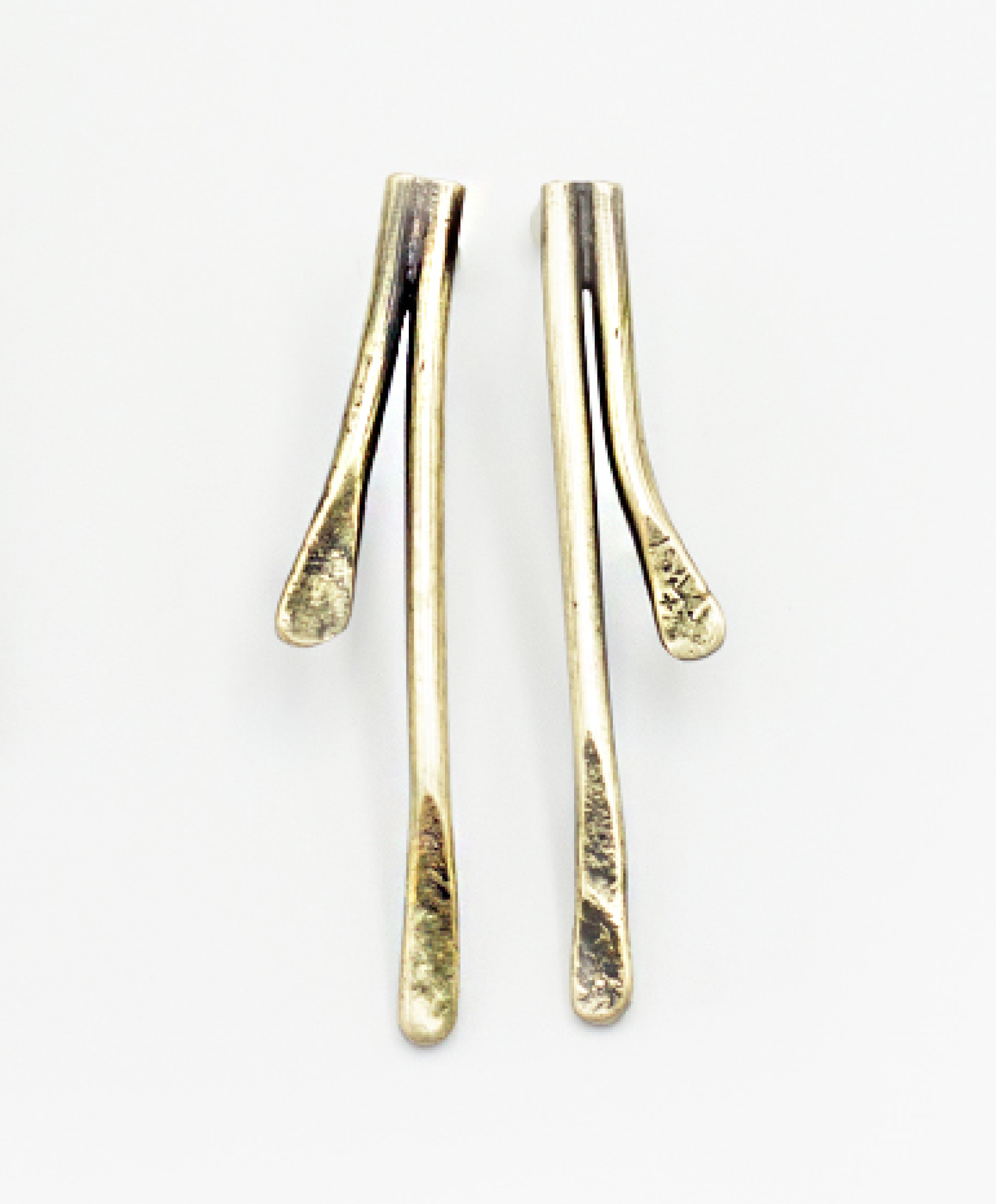
Minimalist jewelry in Spain is not only aesthetic, but also has a deep meaning that reflects personal values, cultural heritage and connection with nature. Each symbol in such jewelry carries a story and emotions, making them unique and significant.
With Spain in My Heart
References to the "Spanish cultural code" are woven into Carlos Riera's design:
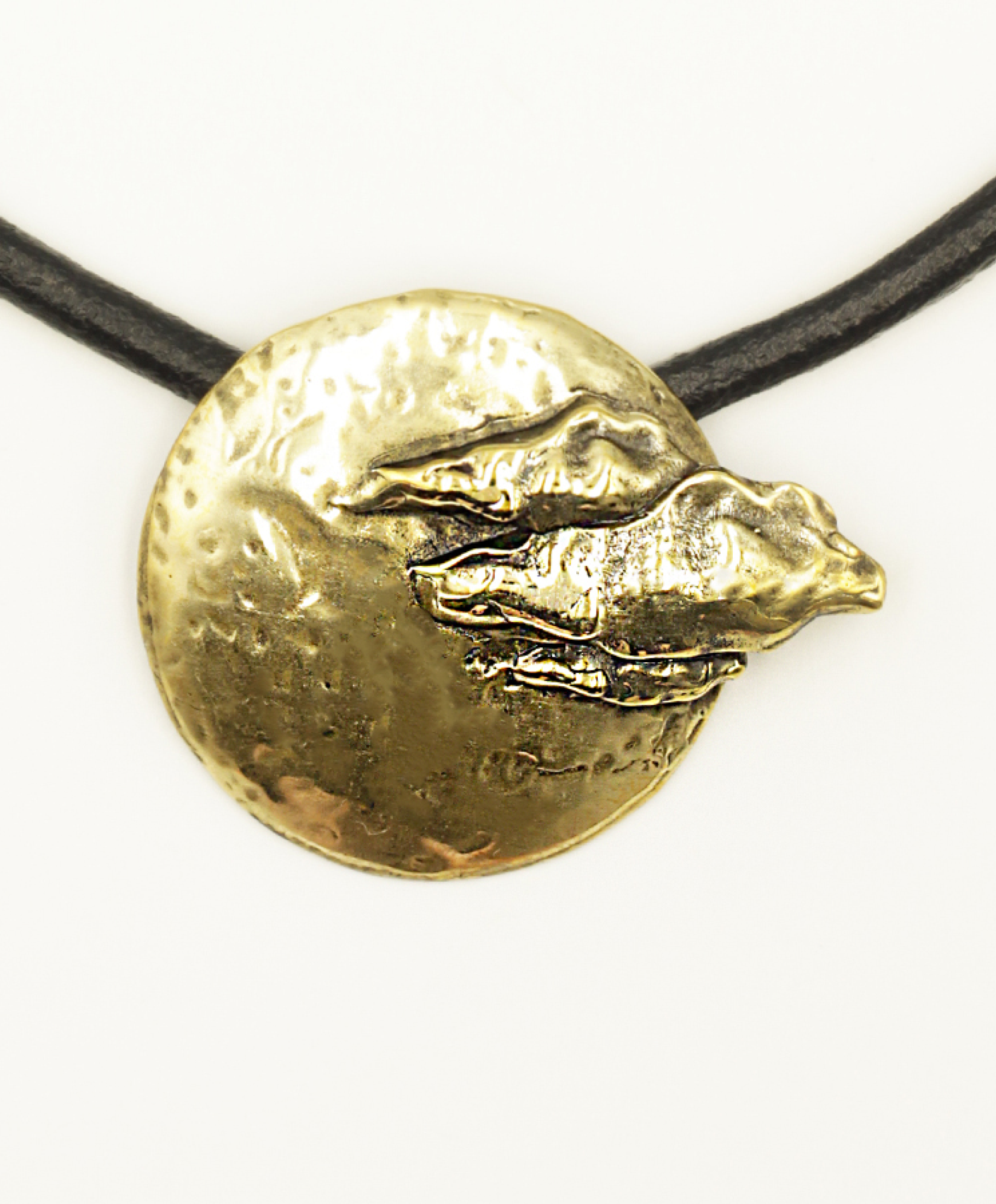
The pendants in the form of waves "Mar" and the sun "Sol" refer to Minoan symbols reinterpreted through the lens of Valencian nature.
In the Al-Andalus collection, brass arabesques are combined with bronze grilles, reminiscent of the Alhambra window patterns.
Jewelry Objects as Philosophical Statements
Carlos Riera jewelry is not just accessories, but narrative media.
"Silencio" series. Bronze lineas with "cuts" and voids symbolize the unspoken, pauses in the dialogue.
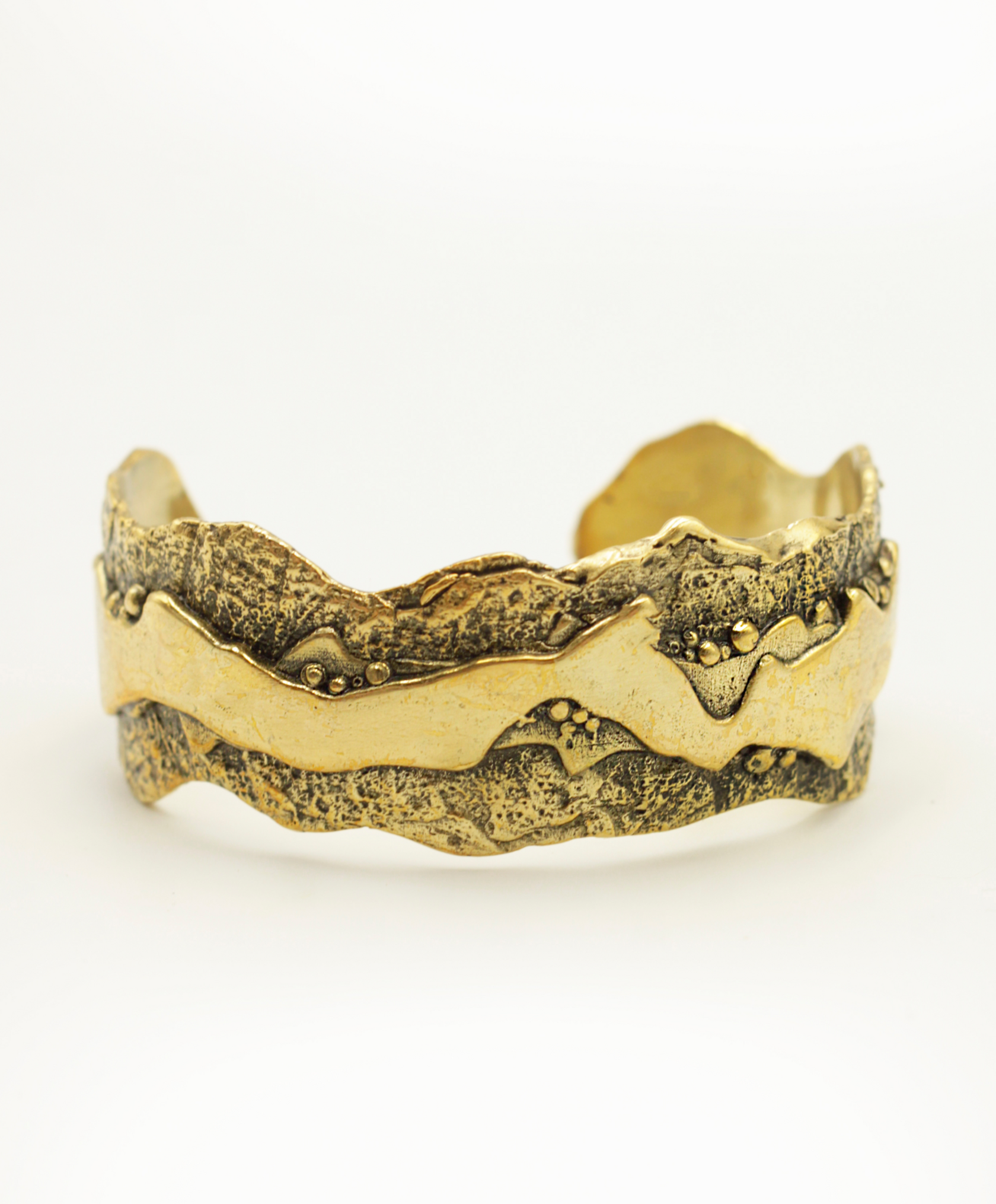
The ragged texture on the brass bracelets become a metaphor for personal experiences.
Carlos Riera's design is a search for a balance between craft tradition and conceptual art. Jewelry requires not just contemplation, but also reflection, which makes them objects for "thoughtful wearing."
Influence and Place
in Contemporary Art
The depth of symbolism, mastery of the material, and connection with cultural identity are the current trends in Spanish jewelry art.
Carlos Riera ranks alongside such masters as Juan Ribas and Ana de Sousa, but he is distinguished by his penchant for philosophical minimalism. Unlike Ribas, who emphasizes pure geometry, Carlos Riera adds the "language" of time to it, and in comparison with the organic forms of de Souza, his works seem more modern.
Sculptors who create jewelry:
Style: abstraction, experiments with volume and space. Materials: bronze, brass, stone. Feature: a combination of sculpture and jewelry art.
Style: organic shapes inspired by nature. Materials: bronze, brass, ceramic. Feature: the use of patina to create unique effects.
Style: sculptural forms inspired by nature and mythology. Materials: bronze, brass, wood. Feature: large jewelry that can be worn as works of art.
Style: minimalism, geometric shapes. Materials: bronze, brass, glass. Special feature: the emphasis on balance and proportions.
There are many galleries and museums in Spain where you can see jewelry made of bronze and brass created by Spanish craftsmen. These places represent both historical artifacts and modern works.
Specializes in contemporary art and jewelry, including minimalist bronze and brass jewelry. Special feature: support for young talents and experimental projects.

Presents modern jewelry inspired by Andalusian culture. Feature: the use of traditional materials such as bronze and brass in modern forms.
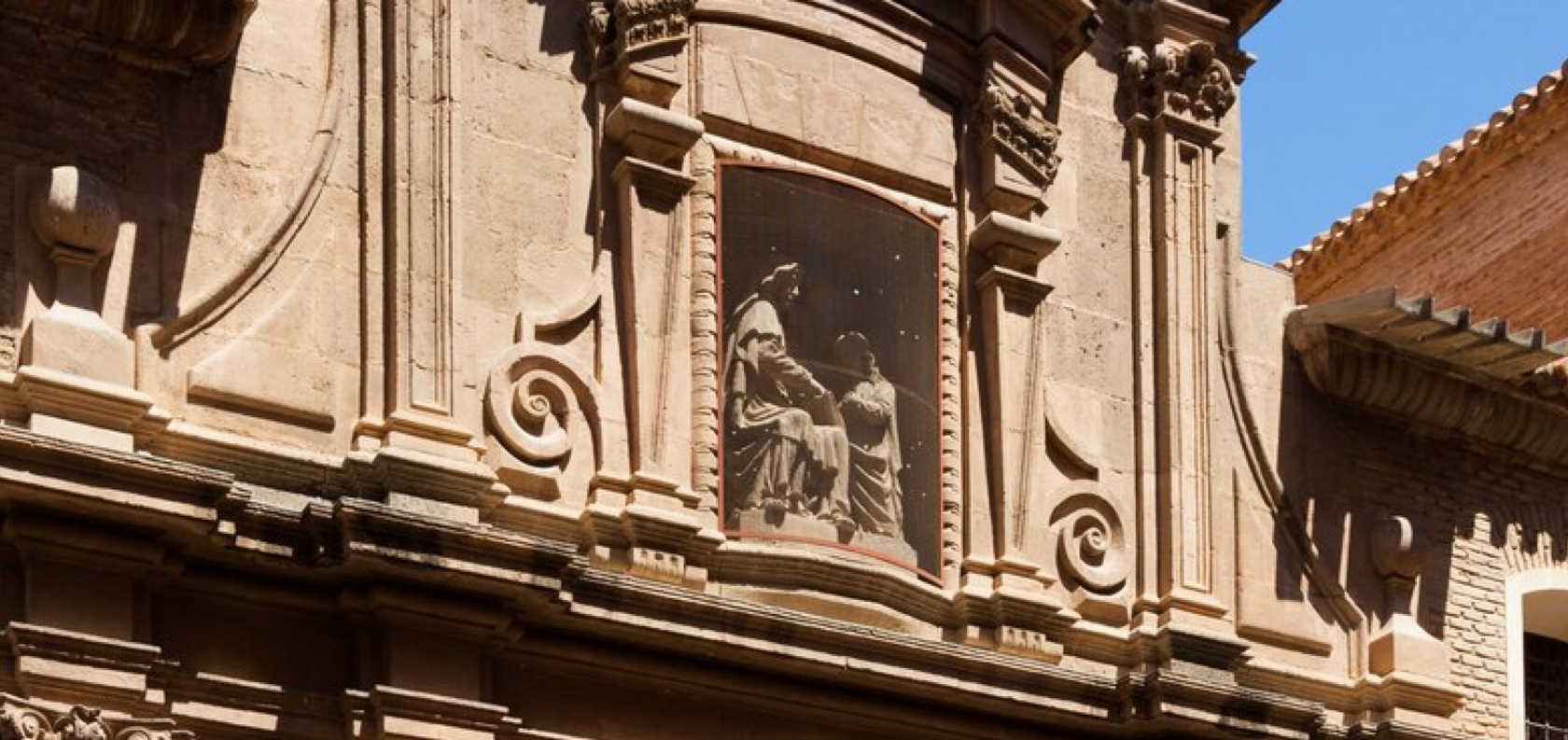
The largest event in the world of modern jewelry art, where the works of Spanish masters are presented. Feature: a wide range of jewelry made of bronze, brass and other materials.

One of the most prestigious contemporary art fairs, where jewelry is also presented. Special feature: the opportunity to see the works of leading Spanish jewelers.
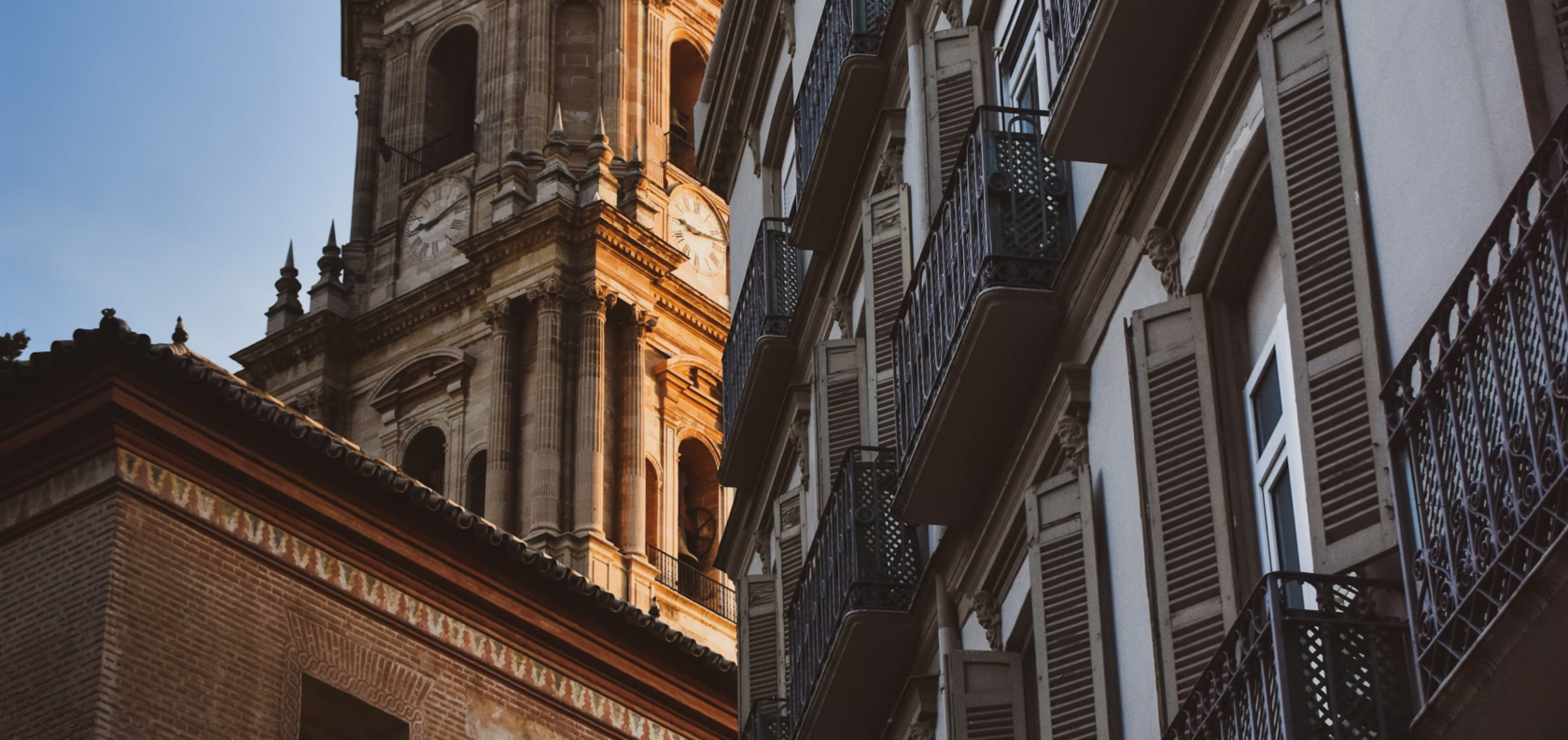
The annual exhibition of modern jewelry art, where works made of bronze, brass and other materials are shown. Special feature: the emphasis on innovation and experimentation.
One of the oldest jewelry workshops in Spain, where you can see products made of bronze and brass. Feature: a combination of classical and modern techniques.
These galleries, museums and exhibitions offer a unique opportunity to explore the rich heritage and current trends of Spanish jewelry, including bronze and brass jewelry.
